A signature scent is the fragrance people come to know as yours — the one a friend recognises in a room before they see you. Finding it isn’t about the most expensive bottle or the most popular name. It’s about a scent that feels like you on an ordinary Tuesday and still feels right at a wedding. Here is how to find it.
Start with smells you already love
Before you look at a single bottle, think about the smells that stop you. Fresh laundry drying in the sun. The first rain on hot earth. Cardamom in your chai. Roses at a mehndi. The smoky sweetness of oud in a grandparent’s cupboard. These memories point to a fragrance family — and most people return to the same one or two all their lives.
- Fresh and clean — citrus, lavender, soft musk. Like Vayron, which opens with bergamot and citrus over amber, musk and precious woods.
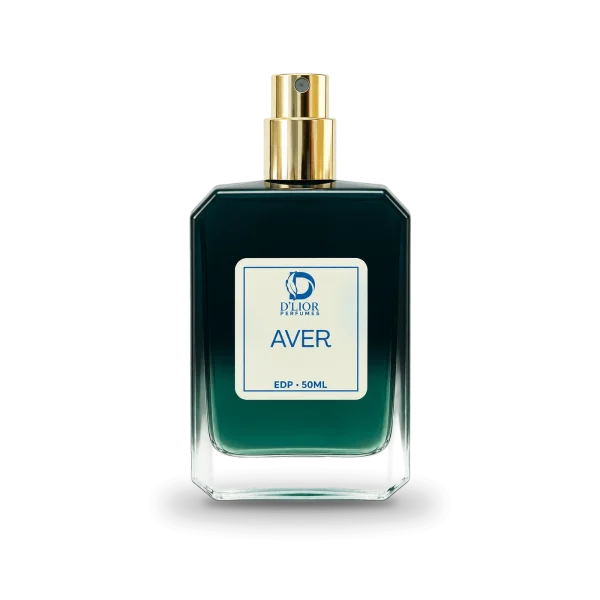
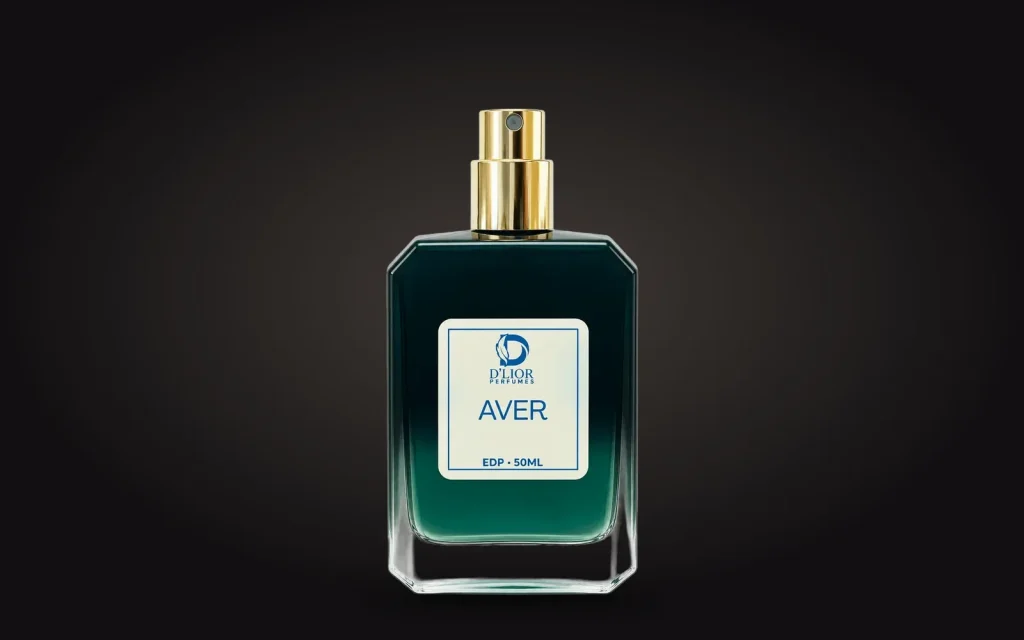
- Fresh and aromatic — green fruit, herbs and spice. Like Aver: green apple, lavender and cardamom over sandalwood, vetiver and tonka bean.
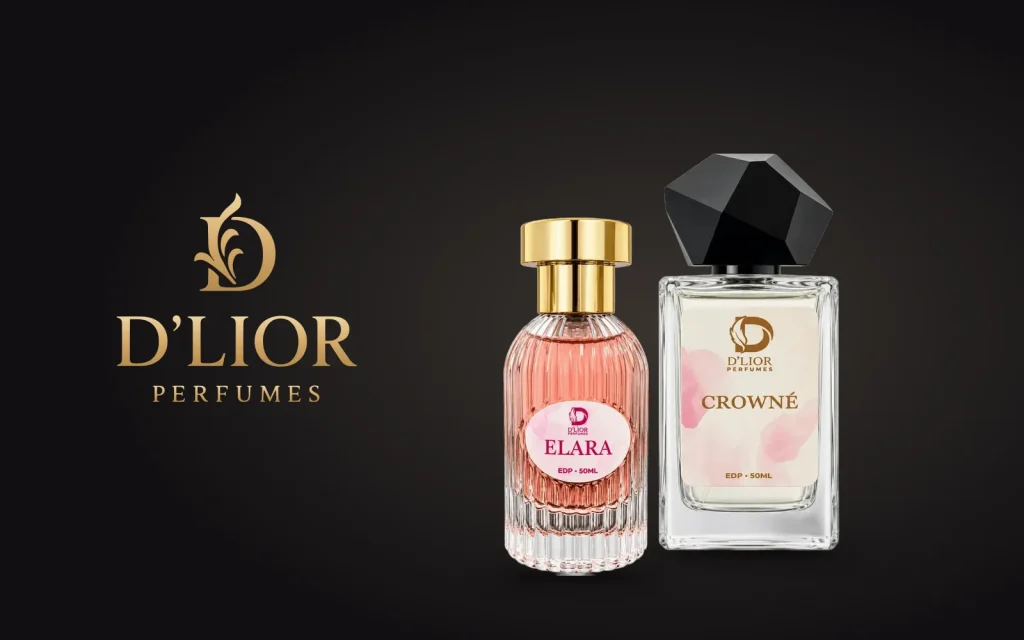
- Rose and amber — the heart of South Asian perfumery, as in Crowné: rose and jasmine, soft spices and a warm amber base.
- Bright floral — fruit and petals, light and luminous, like Elara.
- Warm floral — fruit and flowers on a soft, sweet base, like Floria.
- Easy every day — bright, clean and simple to wear, like Evaan.
Learn to read the notes
Every fragrance unfolds in three stages: top notes you smell first, heart notes that take over within the hour, and base notes that stay with you all day. The base is what you’ll live with longest, so if you love a fragrance’s base notes, you’ll probably love the fragrance. Our guide Understanding Fragrance Notes: Top, Heart & Base explains each stage, and every perfume’s page shows its notes, intensity and longevity.
Test on skin, not on paper
A paper strip shows you a fragrance’s opening; your skin shows you the whole story. Your skin’s warmth and chemistry change how a perfume develops, which is why the same fragrance can smell different on two people.
- Spray once on the inside of your wrist or elbow, and don’t rub it in.
- Wait at least twenty minutes before you decide — the opening isn’t the fragrance you’ll wear all day.
- Smell it again after two or three hours, and again in the evening.
- Try no more than two or three fragrances at a time: after that, your nose tires and everything starts to smell alike.
Match it to your climate and your days
Pakistan’s seasons ask different things of a perfume. In the heat of summer, fragrance projects more and fades faster, so fresher, lighter compositions feel easier to wear. In winter, at evening dinners and through the wedding season, richer notes like amber, woods and vanilla come into their own.
Think, too, about where you’ll wear it most. For an office or a classroom, choose something that stays close to you. For evenings and celebrations, you can go bolder. Each of our perfumes shows its intensity — from intimate to commanding — to help you choose.
Longevity and sillage
Longevity is how long a fragrance lasts on your skin; sillage — the word this journal is named after — is the trail it leaves as you move. Our fragrances are long-lasting eaux de parfum. A long-lasting, softly projecting scent is the classic choice for a signature: present all day, without announcing you before you arrive.
A signature doesn’t have to be only one
Many people keep a small wardrobe: a fresh scent for the day and a deeper one for the evening — say, Aver at work and Vayron in the evening. What makes a scent your signature is that you return to it, and that it feels like you.
Still deciding?
Tell our fragrance advisors which smells you love, and they’ll suggest where to start — message us on WhatsApp. Our FAQ answers the common questions about delivery and payment, and every order is cash on delivery across Pakistan.